
Boarding & dry lining
Stud walls, ceilings and linings set out square and true. Ready for a flawless finish.
The detail
Every great finish starts with the board behind it. We board ceilings, build stud walls and dry line old walls so the skim goes on flat, the corners are square and nothing cracks later.
- 01
Ceilings
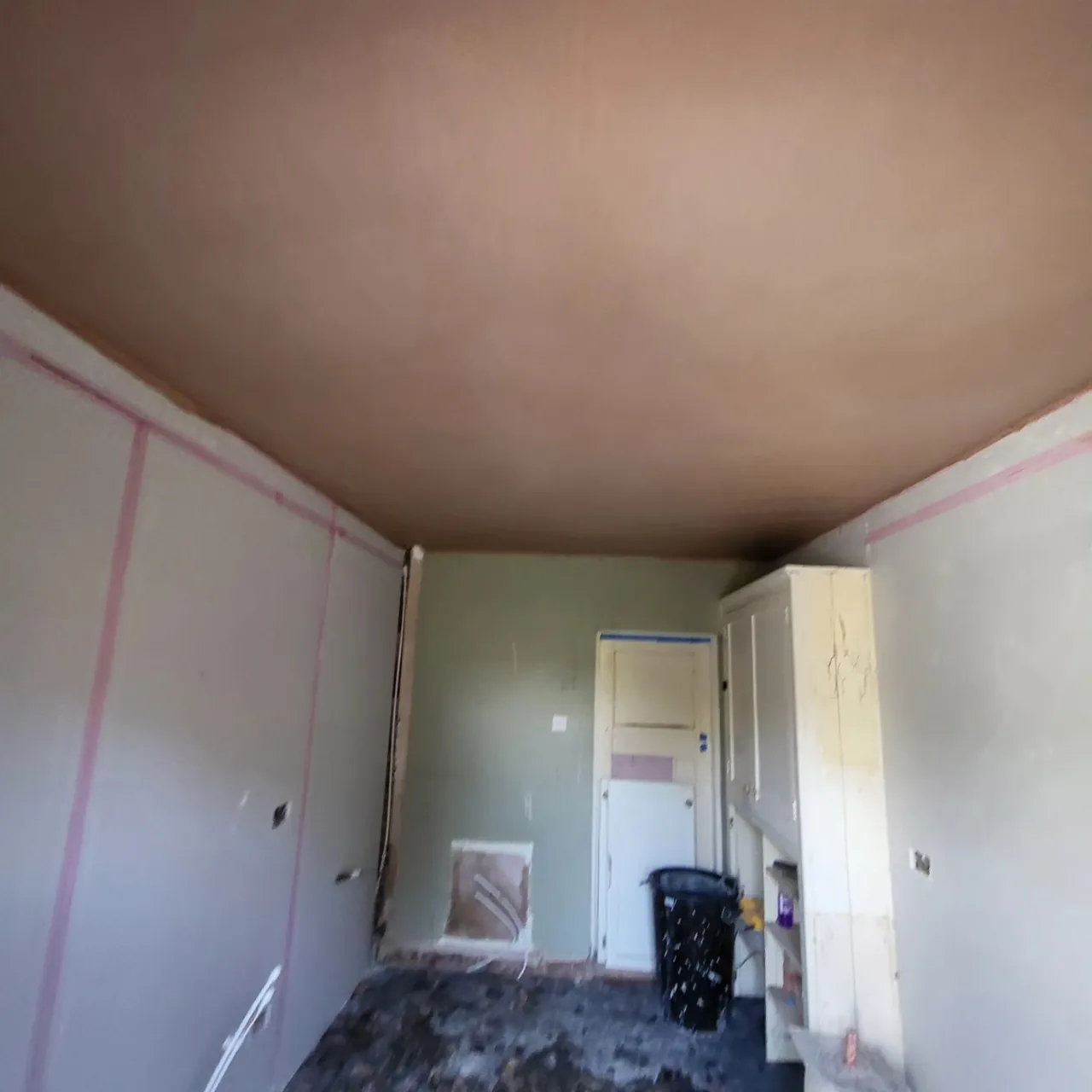
Old lath and plaster ceilings overboarded or replaced.
- 02
Stud walls
Timber or metal stud partitions framed, boarded and finished.
- 03
Dry lining
Walls lined with board on dabs or battens instead of wet plaster.
- 04
Insulated board
Thermal board on cold outside walls for a warmer room.
- 05
Moisture-resistant
The right board for bathrooms, kitchens and utility rooms.
- 06
Tape & skim
Joints scrimmed and the whole lot skimmed ready for paint.
Four steps
The same careful process on every job, so the finish is right first time.
Strip out
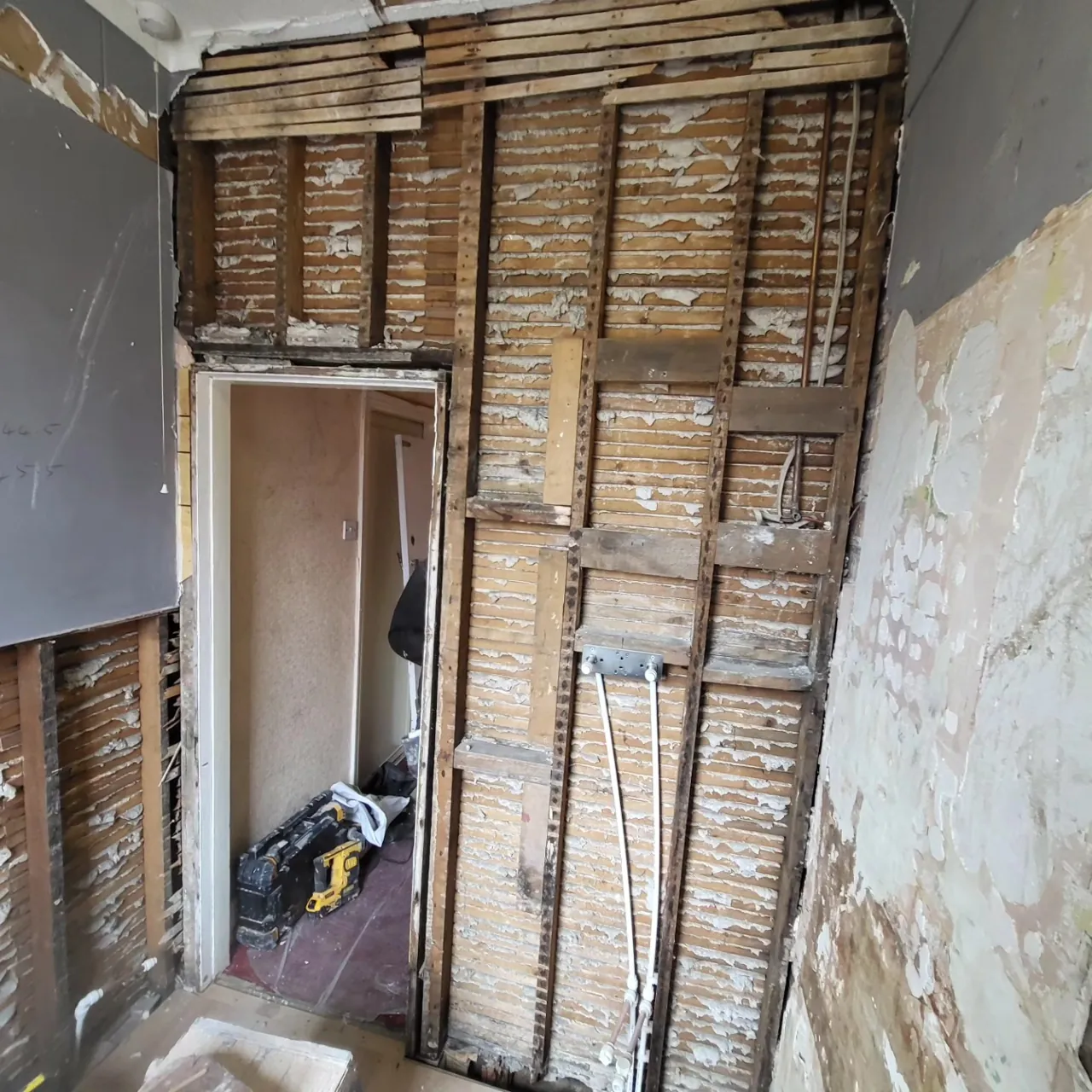
Old plaster, lath or board removed and the room made safe.
Set out
Walls and ceilings checked for level, framing added where needed.
Board
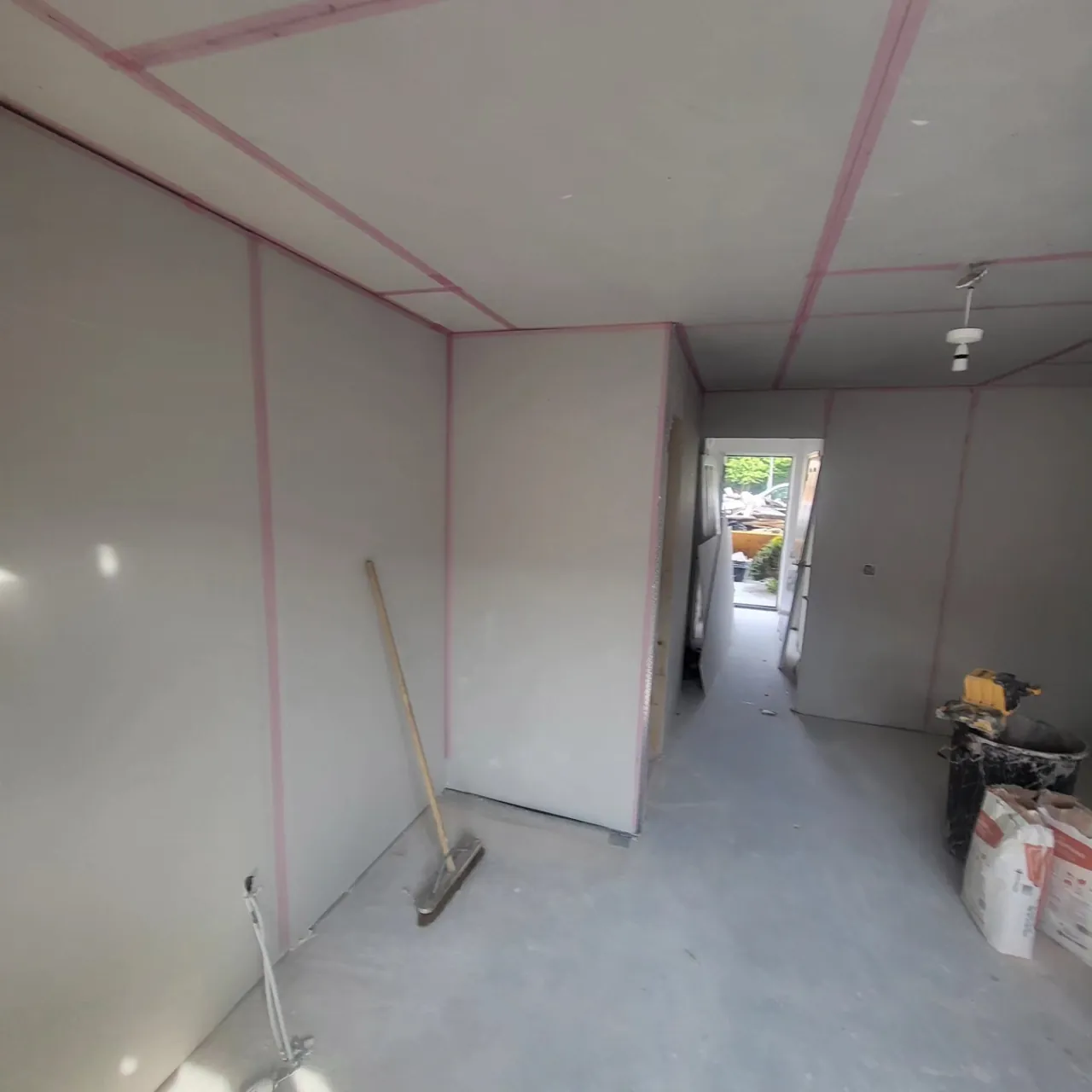
Boards fixed tight and staggered, joints scrimmed and beaded.
Skim
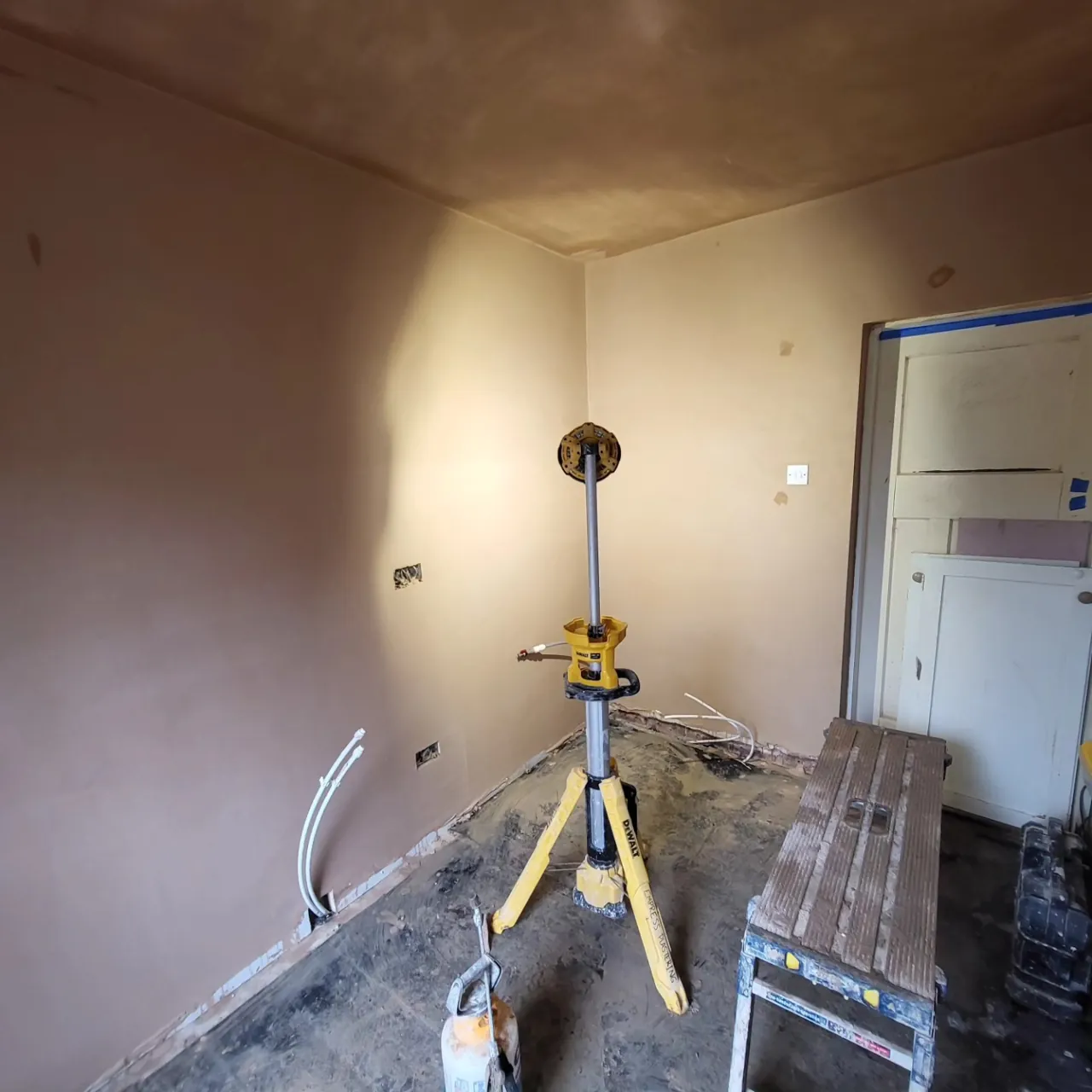
Finished with a smooth skim, ready to decorate.
Recent work
Good to know
Board or plaster — which is better?
Boarding is quicker, drier and gives a flatter base on uneven walls. Wet plastering suits some older solid walls. We'll advise on your room.
Can you board over an old ceiling?
Often, yes — overboarding a sound lath and plaster ceiling saves taking it down. If it's sagging or loose it has to come down first.
Do you do the framing too?
Yes. We build timber or metal stud walls and boxing, then board and finish them.
Is insulated board worth it?
On cold outside walls it can make a noticeable difference to comfort and condensation. We'll talk through options at the survey.